My Name Is Afghani
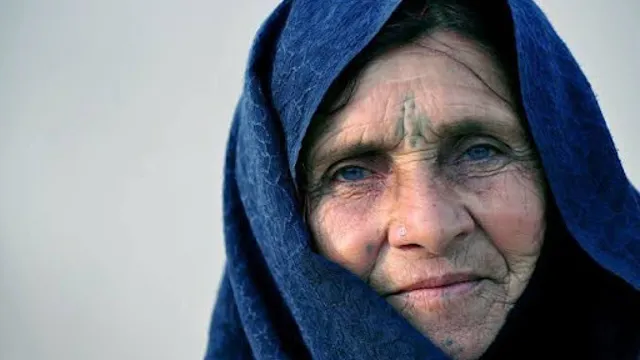
When she lifts the chador from her face, I see a middle-aged woman whose army of white hairs has silently stormed her youth. Her smile is gentle and warm, but it carries a quiet sadness. She tells me her name is Afghani. I ask again, surprised, and with the same calm smile that brings an unexpected peace to her pale face, she says simply, “Afghani. My name is Afghani.”
I ask her to share her story. She begins from childhood, a time before she understood the meaning of life’s harsh turns. She was a young girl, just playing like other children, but soon her childhood slipped away. Before she could even grasp it, she was married off. Her playmates gradually became sisters-in-law or the wives of her brothers. She doesn’t remember exactly—perhaps she was twelve or thirteen, but she was given to a husband. Two years later, her first son was born.
From her words, I feel how life, shrouded in ignorance, made her pains seem smaller, almost bearable. Until the birth of her fifth child, her worries were simple: the health of her cows, the yield of her small plots of land. Sometimes, the daily tensions grew heavier. She was beaten by her husband over small and big disputes alike. But the greatest blow struck when she became a widow.
Her husband was killed in a Taliban attack on the checkpoint near their village. When she reaches this part of her story, her eyes glisten with tears, and without words, I understand her deep love for a man who is no longer here—a man who never openly spoke his feelings but stood by her through every hardship. Now she bends under the weight of grief and responsibility that no one can face alone.
Afghani says he was shot unfairly. Her husband wasn’t a soldier; he had just gone near the checkpoint for something else. But death did not show mercy to her children nor to her. Maybe death has no mercy on Afghanis.
Afghani stayed, raising her children alone. Her eldest daughter had married and had two children. Her son was finishing twelfth grade, carrying the heavy responsibility of their family on his thin, tired shoulders. Afghani had no choice but to become both mother and father to her children.
Her son stopped going to school and started working in their fields. Instead of moving a pen across pages, he moved the hoe through the soil. He had chosen the only path left to him—the path of survival and breadwinning.
Their lives never returned to how they had been before, but life rarely waits before making things worse. Both of Shakila’s children, Afghani’s grandchildren, were born deaf and mute. Because their father was careless and irresponsible, they were never taken to a doctor. When Shakila realized her children were different, her husband’s family refused to accept it. They said, “With time, they will get better.” But time only brought more pain.
Shakila suffered beatings and endless insults for giving birth to “defective” children. Her bruised body became the shelter for those silent little ones.
Now, the sorrow of disabled grandchildren was added to Afghani’s grief. When Shakila’s son turned seven, after begging many times, he was finally admitted to a school for deaf children, where he managed to study until third grade. But her daughter was never allowed to learn.
Shakila had a third child, this time a healthy baby. She said, “God answered my prayers.” Shakila’s husband worked as a police officer in the provincial capital. Their life had improved a little. He even took the children to doctors, and they received hearing aids.
But before the fall of the republic, as war raged between police and the Taliban, the provincial capital fell. Young policemen were executed brutally. The village was left with terrible memories; the only image left of the police checkpoint was severed heads and broken bodies.
Widowhood had settled in Afghani’s house like a deep-rooted disease, and now it had reached Shakila’s life too. Her one-and-a-half-year-old son became an orphan. Her disabled children never heard their father’s voice. After forty days of mourning, Shakila’s husband’s family threw her out, telling her to leave her orphans and remarry.
But Shakila, who remembered only beatings and insults from marriage, gathered her children and sought refuge with Afghani.
Afghani stayed with her widowed daughter, her disabled grandchildren, and her unemployed children. Grief and hardship had turned her hair whiter than before. Now, whenever Afghani hears of aid being distributed, she takes her daughter’s hand and pushes through the crowd to get their share. Despite her leg pain and weakness that keep her at the end of the line, she fights for her children’s survival.
But life offers only crumbs. It slips through Afghani’s fingers.
And I think this is the story of millions of Afghanis.
Image by: https://www.borgenmagazine.com/life-as-an-afghan-woman/
This article is part of the HerVoice initiative, published by NSHSS in partnership with EmpowerHer, an NSHSS student partner organization. EmpowerHer supports Afghan girls and women through mentorship and storytelling opportunities that help them find their voice and create change in their communities and beyond. Learn more on the EmpowerHer partner page.