What is the Effect of Social Media on Academic Performance?

For most people, social media can be a fun way to engage with the world around you. It can alert you to real-time new events in a way that not even the 24-hour news channels ever could. It can allow you to keep up with friends and families from different parts of the world. It can even keep you informed about the latest celebrity gossip or movie trailers that have come out. But it can, and has been proven to be, an addictive way to spend one’s time.
So, what does that mean for all the time students spend in school and studying outside of school? That’s what we’d like to dive into in this blog. We want to explore the real impacts of social media on students who have more in their future than just the latest post. And please, have no fear! Not everything we explore will be about how bad social media is, we just want to be honest, open, and interactive with such a big component of students’ lives.
Getting Your Attention
Social media is not a bad thing, but it’s important to understand just how easy it is to engage with it and why our attention spans might suffer as a result. According to Gloria Mark, a professor of Informatics at the University of California, Irvine, our attention spans can suffer when we continually engage with, and sometimes rely on, social media. Mark explains that attention spans change depending on how difficult a task is.
This may explain why you feel the need to take a break every ten minutes when reading a biology textbook you’re supposed to be studying, yet you can scroll through social media posts about complete strangers for over an hour without getting tired—even if the activity itself eventually becomes boring. The same thing happens when we play simple games on our phones or go for walks. The less effort a task requires, the easier it is to continue.
Soon, that mindlessness becomes addictive and all too common. Before we know it, even getting through a favorite novel becomes difficult. This can really impact a student’s academic performance because, as we all know, the point of going to school is to learn and engage in new things, not to rely on the same mindless things day in and day out.
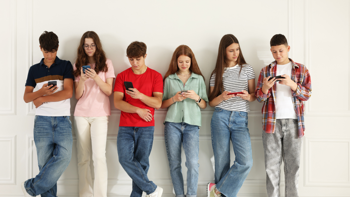
Running out of Steam While Running out of Time
One of the most obvious ways social media affects academic success is through time-management. If you spend an hour scrolling through video after video on TikTok, it can be hard to transition into studying. This issue has two explanations: first, your brain hasn’t been challenged much; and second, you’ve already used up mental energy, making it harder to focus on tasks like reviewing flashcards you made the night before.
By making sure we at least put our studying and schoolwork first, we can find it easier and more rewarding to carve out time for social media engagement. But just remember, if you do your studying first, don’t stay up an extra hour or two just to get more time to scroll—you’ll be too tired to remember what you studied the night before.
Distraction Digression
Another major challenge social media presents is distractions.
Even the most time-management-savvy students can struggle to ignore it completely. Much of today’s AI-generated content is specifically designed to keep users engaged as long as possible.
If you’re reading an article for class on your phone and receive a notification that someone tagged you in a funny video, it can be extremely difficult not to click away. Even if you resist, part of your brain may still be focused on that notification instead of the assignment. This constant distraction can be overwhelming.
Use your devices wisely. Turn on “Do Not Disturb” while studying or avoid using the internet altogether if it’s not essential to your work.
Connections Are Everything
No student gets through challenges alone. Imagine you’re struggling in a class where none of your friends are enrolled, but one classmate seems to excel. You recognize their name and may have even seen their profile suggested on Instagram. This is where social media can come in handy.
Although you may not know them super well, you can still kindly reach out to their profiles and ask them for help in that class you share together. If that person only got a text message from you, it might come across as random. But by letting them view your own profile, they can see that they do in fact recognize you, and maybe then they’ll want to help. This is a way to use social media to actually connect yourself to those who can help you succeed. And, hey, maybe you can make another friend as well!

Letting Off Steam
Now let’s flip the perspective. Imagine you’ve spent two long hours studying, it’s late, and you’re too tired to focus on a TV show, movie, or book. That’s okay. Academic responsibilities should come first, and entertainment can wait for the weekend.
In these moments, short, lighthearted content on social media can help your brain relax. Platforms like TikTok and Instagram Reels can bring unexpected joy. One minute you’re exhausted, and the next you stumble across a clip from a stand-up routine you love—and suddenly, you’re laughing and recharged.
As long as social media is used at the right time, in moderation, and after studying, it can be a positive tool.
In Closing
At NSHSS, our goal is for every student to feel empowered and excited to take on the challenges ahead. The world is growing more complex as technology and social media continue to evolve. We hope this article helped you better understand both the impact and potential benefits of social media when used thoughtfully.
If you’re struggling with time-management, social media use, or attention span questions, feel free to visit our blogs page, which go more in-depth about each of these topics. And stay tuned for more information and outreach from all of us here at NSHSS!