Scholarships for First-Generation College Students

Senior year is finally here! Between football games, homecoming, prom, and graduation plans, there's plenty to look forward to. But there's also a pretty important task on your plate: figuring out what comes after high school.
If you’re planning to go to college, there’s a lot to keep track of. Applications include essays and recommendation letters, plus you have to think about financial aid and scholarships, each with their own deadlines. And all of that is on top of keeping up with your classes.
The best way to manage this is to spread out tasks throughout the year with a college checklist for high school seniors.
Being the first person in your family to attend college is something to be proud of, but it can also come with a lot of questions. How do you apply for financial aid? Where do you find scholarships? And how are you supposed to figure out a process that nobody in your family has experienced before?
For a lot of people, it means having no one you can ask these questions in your life, especially when it comes to funding college. The good news is that there are scholarships specifically designed to help students like you pursue higher education, and NSHSS is full of advice for first-generation college students.
Also, first-generation college student scholarships can be a great resource and make college easier for you.
What Does It Mean to Be a First-Generation College Student?
Generally, a first-generation college student is someone whose parents did not complete a four-year college degree. However, the exact definition can vary depending on the college or scholarship program; for some it means neither parent has a bachelor’s degree completed, but some will consider any college they attended. Since this varies, always read the qualifications carefully.
Why Scholarships Matter for First-Generation Students
College is a big financial commitment for anyone. Not just because of tuition – books, housing, meals, and other costs can add up. For first-generation students, understanding how to pay for these expenses may be especially challenging because your family might not be familiar with financial aid applications or the different types of assistance available.
Unlike student loans, scholarships generally don't need to be repaid, provided you meet any conditions attached to the award. This can be financial need or achievements in school and your community.
Many scholarships for first-generation students also consider the unique experiences of students who are navigating the college admissions process for the first time. And you don't necessarily need perfect grades or an impressive list of extracurricular activities to qualify.
Where to Find First-Generation College Student Scholarships
There are endless scholarships you can find, which feels overwhelming. You should always start with trusted sources to help narrow it down.
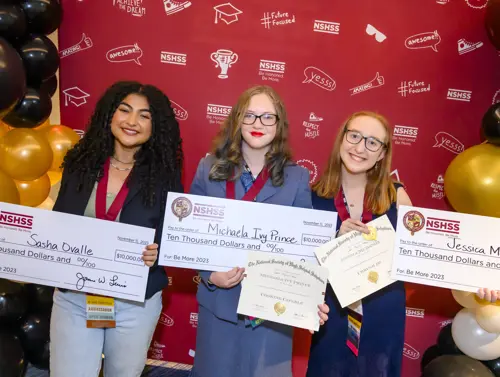
The National Society of High School Scholars offers a First Generation Scholarship to recognize eligible students who are working toward becoming the first in their families to earn a college degree.
Be sure to review the current eligibility requirements, application deadlines, and award details before applying.
Scholarships Offered by Colleges
Many colleges and universities have scholarship opportunities specifically for first-generation students.
Some awards are automatically considered during the admissions process, while others require a separate application. Check the financial aid pages of the colleges you’re interested in or contact their financial aid office to see if there are any specific opportunities.
National Scholarship Programs
Plenty of organizations offer scholarships that may be especially relevant to first-generation students.
For example, the Jack Kent Cooke Foundation offers a competitive college scholarship program for high-achieving high school seniors with financial need. The QuestBridge National College Match is also a great way to match students with strong academics from low-income backgrounds to certain colleges.
These aren’t exclusively for first-generation students, but if you meet the requirements, can help you find good options.
Understanding First-Generation Student Financial Aid
Scholarships are only one part of paying for college. You can use a combination of grants, work-study, and loans to fill any gaps.
The most important step is to complete the Free Application for Federal Student Aid, better known as the FAFSA. This helps determine your eligibility for all kinds of federal student aid, and will also lets colleges determine their level of financial assistance.
When researching any first-generation student financial aid, pay close attention to deadlines. Some colleges have priority dates for institutional aid that may be earlier than their general application deadlines.
How to Strengthen Your Scholarship Applications
Finding scholarships is one thing. Putting together an application that stands out is another.
The good news is that you don't need an extraordinary life story to write a meaningful application. You just need to help the scholarship committee understand who you are.
Tell Your Own Story
If a scholarship asks about your experience as a first-generation student, be specific.
Maybe you've helped younger siblings with schoolwork while managing your own responsibilities. Perhaps you've balanced a part-time job with challenging classes.
Whatever your experience looks like, focus on what you've learned and how it has shaped your goals.
Pay Attention to the Details
Scholarship applications often have different requirements. One might ask for a 500-word essay, while another requests recommendation letters or a list of extracurricular activities.
Read the instructions carefully and give yourself time to gather everything you need.
These scholarship tips from past recipients can also help you approach the process with a better understanding of what makes an application memorable.
Apply for More Than One Scholarship
Never put all your hope in a single award. Some scholarships can get very competitive and you may not get them, and some will be small amounts that you want to add up.
Try setting a realistic goal, such as applying for two scholarships each month. Keeping a spreadsheet of deadlines and requirements can help you stay organized.
Don't Be Afraid to Ask for Help
Even if your family isn’t familiar with college applications, you can find help other places.
School counselors can help with any application requirements and even find scholarships for you. Teachers are usually happy to help with essays and letter of recommendations. And you can always call college financial aid offices directly with any questions.
You can also learn more about navigating college admissions and maximizing financial aid before making important decisions.
Your College Journey Starts Here
Being a first-generation college student comes with challenges, but you don't need to have every detail figured out before you begin. Start by researching first-generation college student scholarships, completing financial aid applications, and reaching out when you need guidance.
Through NSHSS, students can explore scholarship opportunities and connect with educational resources that support their goals beyond high school.
Your college journey may look different from someone else's, and that's okay. What matters is finding the opportunities that help you take the next step.
Become an NSHSS Member